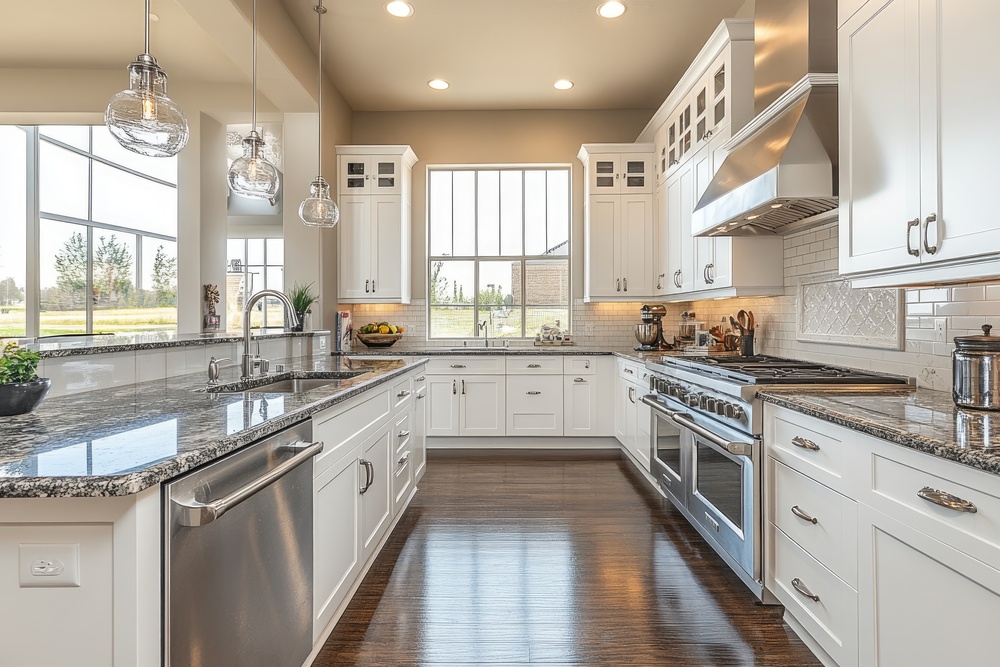
Full kitchen renovations are expensive. They frequently cost $25,000 to $75,000. However, many homeowners face budget-busting traps. Some mistakes hide in plain sight until the bills arrive. Others reveal themselves slowly, like discovering the dishwasher door hits the new island every single time. Knowing what goes wrong helps avoid joining the ranks of renovation regret stories.
Skimping on Professional Design
That kitchen layout software seems foolproof until the refrigerator blocks the pantry door. Or the corner cabinets turn into black holes where mixing bowls go to die. Designers find these issues on paper, before the installation.
Kitchen designers consider the workflow of a kitchen. They understand the building codes for positioning electrical outlets. They understand why peninsula overhangs need support brackets after 10 inches. Saving $2,000 on design fees often leads to $10,000 in fixes later.
Despite what some sources might claim, the “work triangle” remains a useful idea. Cooking becomes a chore if the sink, stove, and refrigerator are not close together. Too close together creates traffic jams when two people cook simultaneously.
Choosing Materials Based on Looks Alone
The marble backsplash photographs well, but stains easily. Concrete counters crack after six months. Meanwhile, the neighbor’s granite countertops from Bedrock Quartz still look brand new. Even after all those years of meals and baking. Kitchen floors endure significant wear and tear. Dropped pots, spilled orange juice, muddy boots. It all adds up. Softwoods like pine dent from high heels. Slippery tiles can make meal prep risky. Porcelain and vinyl are durable, but stone needs sealing. Cabinet door styles matter too. Intricate raised panels with grooves collect grease and dust. Flat-panel doors wipe clean in seconds. White cabinets show every fingerprint but make small kitchens feel larger. Dark wood hides dirt but can turn a bright space into a cave.
Forgetting About Ventilation and Lighting
Nobody talks about range hoods at parties, but weak ventilation ruins kitchens. Grease coats cabinets. Steam warps wood. Cooking smells linger for days. A proper range hood, vented outside, not recirculating, protects the entire investment.
CFM ratings indicate airflow strength. Gas stoves need stronger ventilation than electric. That 30-inch gas cooktop probably needs 300-400 CFM minimum. Professional-style ranges might require 600 CFM or more. Yes, good hoods cost money. Replacing grease-damaged cabinets costs more.
Lighting gets overlooked until someone tries chopping onions in shadows. One centered ceiling fixture won’t cut it. Under-cabinet lights illuminate work surfaces. Pendant lights over islands provide task lighting. Recessed lights fill in dark corners. Dimmer switches let bright breakfast prep transition to moody dinner parties.
Ignoring the Permit Process
Pulling permits feels like bureaucratic nonsense until the house sale falls through. Home inspectors flag unpermitted work immediately. Insurance companies deny claims for damage from non-code electrical work. That “friend who knows wiring” becomes expensive when walls need opening for proper inspection. Moving gas lines requires permits. Adding electrical circuits requires permits. Sometimes even replacing cabinets requires permits if it involves structural changes. The permit fees pale compared to redoing work or losing buyers.
Conclusion
Planning your kitchen renovations carefully will pay off, and shortcuts will be your downfall. The eye is drawn to the attractive appliances and stone counters. Nevertheless, the crucial factors for a truly functional space are choices regarding workflow and ventilation. Those who go beyond Pinterest for kitchen ideas and invest in good design and setup will cherish their kitchens for years. A rushed planning process often leads to people planning their next home improvement before the current one is done. It’s better to dedicate time in advance, rather than pay double to correct errors.