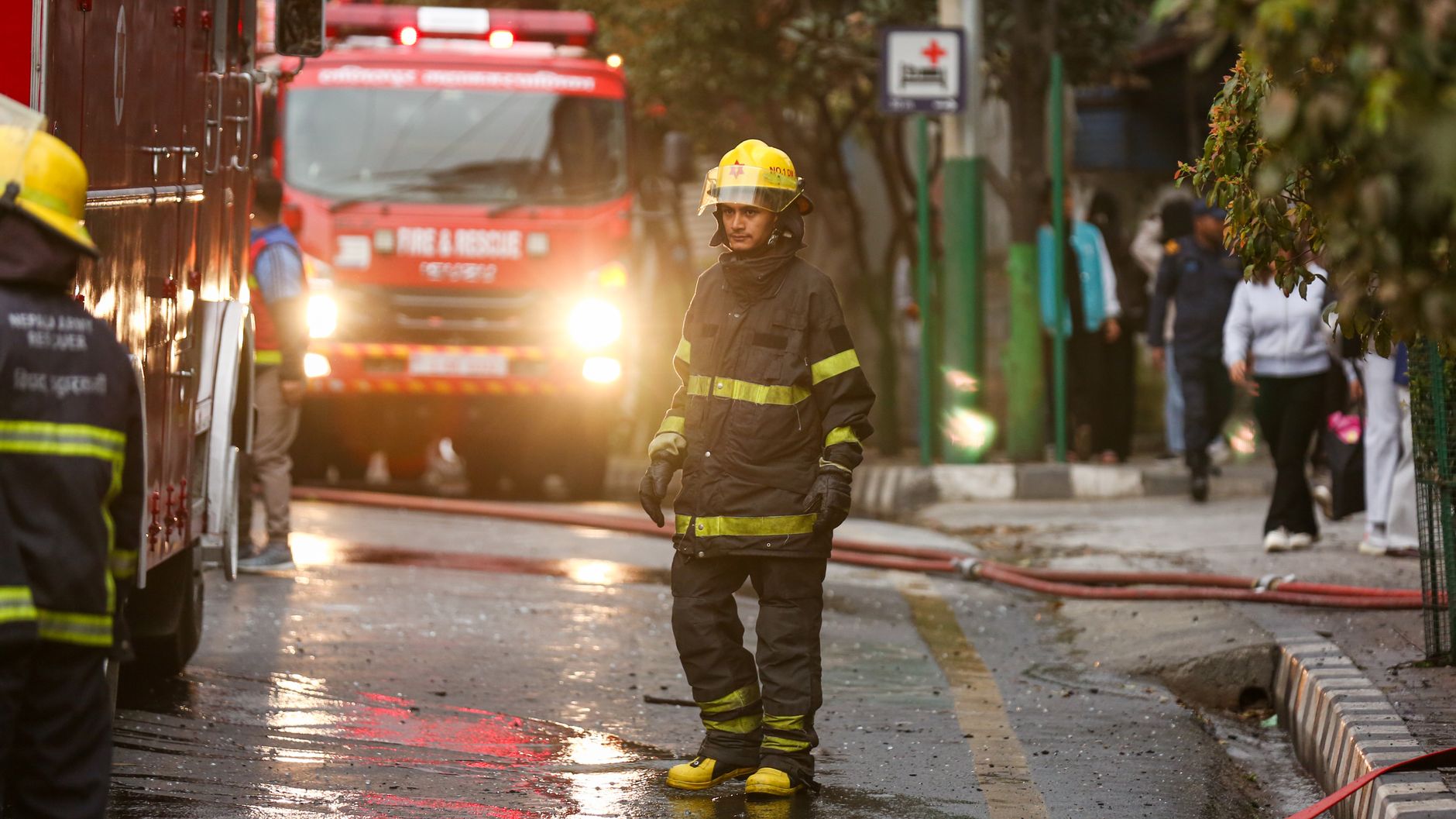
The Malviya Nagar fire has sparked outrage as questions arise about the actions taken by officials. This incident highlights inconsistencies in response protocols.
Overview of the Malviya Nagar fire incident
The recent Malviya Nagar fire incident has raised significant concerns regarding the response from local authorities. On the evening of the fire, multiple reports indicated that flames engulfed a residential building, leading to panic among residents and nearby citizens. Emergency services were dispatched promptly, but the situation escalated quickly, highlighting potential lapses in building safety regulations.
Residents reported a lack of clear evacuation procedures, which contributed to chaos as people attempted to flee the scene. Witnesses described thick smoke and limited visibility, making it difficult for individuals to navigate the area.
In light of this tragedy, residents are questioning why similar incidents, such as the recent collapse in Satya Niketan, received different levels of attention and action from the same set of officials. This disparity in response raises critical questions about accountability and effective disaster management in urban neighborhoods.
Details of the Satya Niketan collapse
The recent Malviya Nagar fire has raised significant concerns regarding the handling of the Satya Niketan collapse incident. Many are questioning why the same officials took different actions in the two cases. In the case of Satya Niketan, multiple safety violations were reported, yet the response was minimal and largely ineffective.
Residents had repeatedly raised alarms about structural instability and illegal constructions in the area. However, the authorities failed to address these issues adequately, which ultimately led to the tragic collapse. Witnesses describe how the lack of timely intervention resulted in severe consequences for the community.
Key points surrounding the Satya Niketan incident include:
- Delayed inspections: Authorities were slow to act on complaints.
- Insufficient enforcement: Safety regulations were not enforced rigorously.
- Community in distress: Local residents felt abandoned and unsafe.
The contrasting responses between the two incidents highlight a troubling inconsistency in official action.
Comparing the two incidents
In examining the responses to the Malviya Nagar fire and the Satya Niketan collapse, notable discrepancies emerge. Both incidents involved significant loss and risk to lives, yet the actions taken by authorities varied considerably.
Several factors contribute to this difference:
- Response Time: The speed at which officials arrived at each scene was markedly different, impacting rescue efforts and subsequent investigations.
- Media Coverage: The level of media attention surrounding each incident influenced public pressure, potentially swaying the actions of officials.
- Regulatory Framework: The existing safety regulations and enforcement practices appeared inconsistent, raising questions about accountability and oversight.
As community members seek justice and clarity, these inconsistencies in action highlight the urgent need for improved safety protocols and a unified response strategy for future incidents.
Official responses: A closer look
In the aftermath of the Malviya Nagar fire, officials have faced intense scrutiny regarding their response to the disaster. Many have questioned why the actions taken differed significantly from those following the Satya Niketan collapse, despite similar circumstances.
Several key points have emerged from the official responses:
- Inconsistency in Protocol: Reports indicate that the emergency protocols were not uniformly applied across both incidents, raising concerns about the decision-making processes.
- Accountability Issues: Authorities have struggled to provide clear explanations for their choices, leading to allegations of negligence and favoritism.
- Public Outcry: Community members have expressed their dissatisfaction with the lack of transparency, demanding a reassessment of the fire safety regulations in place.
As investigations continue, the focus remains on understanding the rationale behind the differing responses to the Malviya Nagar fire and the implications for future safety measures.
Public reaction to the Malviya Nagar fire
The recent Malviya Nagar fire has sparked a wave of public outrage and concern. Many residents have taken to social media to express their dissatisfaction with the response from local authorities. A significant number of individuals believe that the actions taken in the aftermath of the fire were inadequate and not proportionate to the severity of the incident.
Several key points have emerged from the discussions:
- Calls for accountability: Community members are demanding that officials be held responsible for their lack of timely action.
- Comparisons to previous incidents: Many are highlighting how the reaction to the Malviya Nagar fire differs starkly from other recent emergencies, such as the Satya Niketan collapse.
- Demand for better safety measures: Residents are urging the government to implement more stringent fire safety regulations to prevent future tragedies.
The outcry reflects a deep-seated frustration with what many see as systemic failures in emergency management.
Safety measures in urban areas
In the wake of the Malviya Nagar fire, the need for stringent safety measures in urban areas has come to the forefront. Ensuring the safety of residents in densely populated neighborhoods is crucial. Several key strategies can be implemented to mitigate risks:
- Regular inspections: Authorities should conduct frequent assessments of buildings to identify potential fire hazards.
- Improved infrastructure: Upgrading fire exits, alarm systems, and sprinkler systems can significantly enhance safety.
- Public awareness campaigns: Educating residents about fire safety practices can empower communities to act quickly in emergencies.
- Stricter enforcement of regulations: It is vital for local governments to enforce existing safety regulations to prevent incidents like the Malviya Nagar fire.
By implementing these measures, urban areas can work towards preventing future tragedies and ensuring the safety of their inhabitants.
Investigating the causes of the collapse
The investigation into the Malviya Nagar fire and the subsequent collapse of the nearby structure has raised significant concerns regarding safety protocols and emergency responses. Various factors contributed to the unfortunate events, including inadequate infrastructure and potential negligence in adhering to safety regulations.
Witnesses reported that the fire spread rapidly, exacerbated by flammable materials stored improperly within the vicinity. The local authorities are now scrutinizing the actions of officials who responded to the incident, questioning why similar measures were not employed as in past cases, such as the Satya Niketan collapse.
Key points emerging from the investigation include:
- Delayed response: Firefighting efforts were hampered due to lack of resources.
- Building code violations: Several structures in the area were found to be non-compliant.
- Community concerns: Residents expressed fears about recurring neglect in safety measures.
Future implications for city planning
The recent Malviya Nagar fire highlights significant implications for future city planning. As urban areas expand, the need for robust safety regulations becomes paramount. The incident has raised questions about current building codes and emergency response protocols.
City planners and officials must take a hard look at:
- Infrastructure resilience: Ensuring buildings are equipped to handle emergencies effectively.
- Fire safety regulations: Revisiting existing codes to incorporate lessons learned from the Malviya Nagar fire.
- Community awareness: Educating residents on fire safety and emergency procedures to mitigate risks.
- Data-driven planning: Utilizing past incidents to inform future urban development strategies.
Without addressing these concerns, the potential for future tragedies remains high. The Malviya Nagar fire serves as a stark reminder of the need for comprehensive and forward-thinking urban safety measures.
Photo by Bijen Amatya on Pexels